Introduction
Dealing with artillery fungus on windows can be a frustrating experience for many homeowners. This peculiar type of fungus is notorious for its ability to shoot spores over considerable distances, often leaving hard-to-remove spots on windows, cars, and siding. If you’re facing this issue, understanding how to remove artillery fungus from windows effectively is crucial to restoring the cleanliness and clarity of your glass surfaces.
Understanding Artillery Fungus
The first step in tackling the problem is identifying the culprit. Artillery fungus, or Sphaerobolus stellatus, thrives in moist organic matter, such as mulch. It gets its name from its unique dispersal method; the fungus launches spores into the air aiming at bright surfaces like windows.
Preventive Measures
Before diving into removal techniques, let’s explore some preventive strategies:
- Avoid using wood mulch near your home; opt for alternative materials like rubber mulch or stones.
- Maintain a clean environment by regularly removing fallen leaves and debris that could harbor moisture.
- Ensure proper drainage around your home to minimize standing water.
Effective Removal Techniques
Once artillery fungus makes its mark on your windows, quick action is essential. Here are some effective methods:
Mechanical Removal Methods
The initial approach involves physical removal techniques:
- Use a plastic scraper to gently peel off the spore masses without scratching the glass.
- A soft cloth dampened with soapy water can help loosen the remaining residue.
- For stubborn spots, applying a small amount of mineral spirits on a cloth and carefully rubbing it on the affected area might work. However, test this on an inconspicuous spot first to ensure it doesn’t damage the window frame or sealant.
Chemical Removal Solutions
If mechanical methods fall short, certain chemical solutions might offer relief:
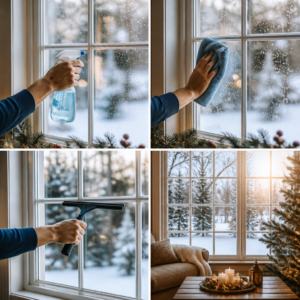
- Mix equal parts vinegar and water in a spray bottle. Spray it onto the fungal spots and let it sit for several minutes before wiping away with a soft cloth.
- Oxygen bleach solution (not chlorine bleach) can also be effective when used according to manufacturer instructions. Be cautious not to damage surrounding materials.
- In severe cases, professional-grade window cleaning solutions formulated for fungal removal may be necessary. Always follow product guidelines closely.
Natural Remedies
Nature offers its own set of solutions for dealing with artillery fungus:
-
- Baking soda mixed with water creates a gentle abrasive paste that can help remove spores without damaging glass.
Tips for Stubborn Spots
Sometimes despite our best efforts, some spots refuse to budge:
-
-
-
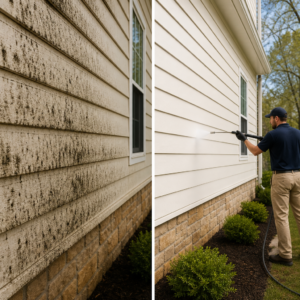
- Consider hiring a professional window cleaner who has experience with fungal stains. They may use specialized equipment like power washers set at appropriate pressures to remove without causing damage.
- As a last resort for extremely tenacious spores, lightly sanding them off using fine-grit sandpaper may work but proceed with caution as this can scratch the glass.
-
-
Maintenance After Removal
Post-removal maintenance is key to preventing future outbreaks:
- Regularly inspect your windows and surrounding areas for early signs of return.
- Clean your windows frequently using mild soap and water.
- Consider installing window screens if practical; they can reduce spore attachment.
- Reassess landscaping choices periodically; replacing organic mulch with non-organic alternatives near buildings can make a significant difference.
Removing artillery fungus from windows requires patience and persistence. By combining preventive measures with effective removal techniques followed by diligent maintenance you can restore clear views through your windows while minimizing future fungal invasions. Remember always approach chemical solutions cautiously protect surrounding surfaces including yourself during cleaning processes.
Choosing the Right Tools for Window Mold Cleanup
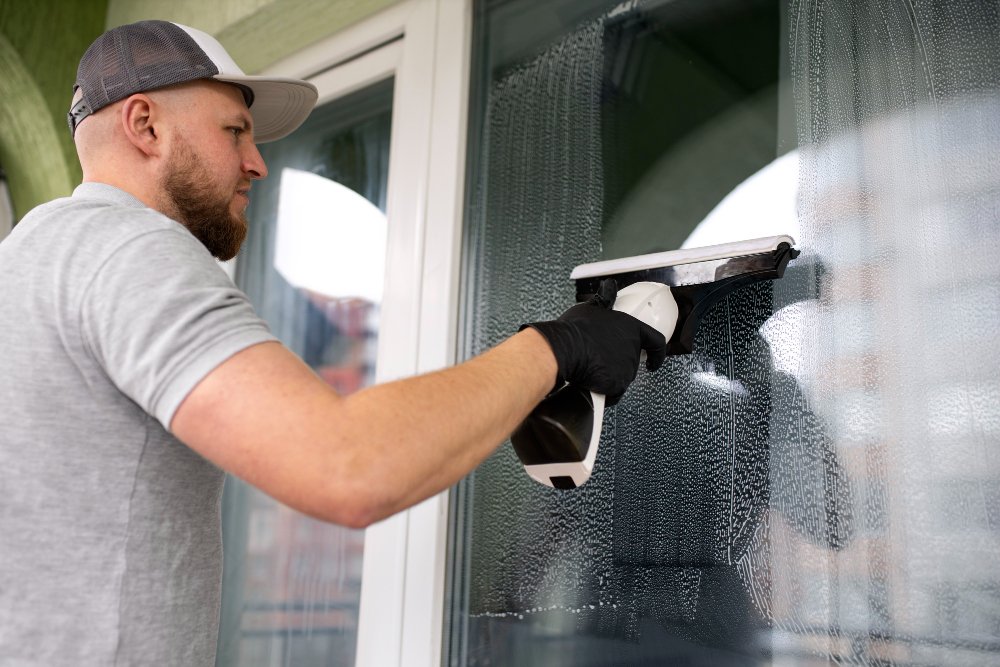
When tackling mold on windows, selecting appropriate tools is crucial. Start with soft cloths or sponges to avoid scratching the glass. For tougher mold spots, a plastic scraper can be gently used. Always have separate cleaning tools for mold to prevent spreading spores around your home.
Safe and Effective Mold Cleaning Solutions
Natural solutions like vinegar or hydrogen peroxide are excellent for removing mold without harsh chemicals. Mix one part water with one part vinegar and apply it to the affected areas, letting it sit before wiping clean. For more stubborn mold, a solution of bleach and water (one part bleach to ten parts water) can be used with caution. Ensure the room is well-ventilated and wear protective gear when using bleach.
Learn more about mold removal guidelines on the EPA website.
Maintaining Mold-Free Windows
To keep windows clear of mold after cleaning, focus on reducing indoor humidity levels:
-
-
-
- Use dehumidifiers in damp areas of your home.
- Ensure proper ventilation in bathrooms and kitchens where moisture is high.
- Regularly check window seals and repair any leaks to prevent moisture buildup.
-
-
Incorporating these practices into your routine can significantly reduce the risk of mold returning to your windows, ensuring a healthier living environment.
Professional Help for Persistent Mold Issues
If you’ve tried everything but still struggle with window mold, it might be time to seek professional help. Specialists in mold remediation have the tools and expertise necessary to address severe infestations safely and effectively.
Remember, tackling window mold not only improves the appearance of your home but also contributes to a healthier indoor air quality. By following these steps, you can enjoy clear views and fresh air year-round.