How to Protect Windows from Artillery Fungus This Holiday Season
The holiday season brings lights, wreaths, and extra curb appeal. It can also bring a stubborn problem called artillery fungus.
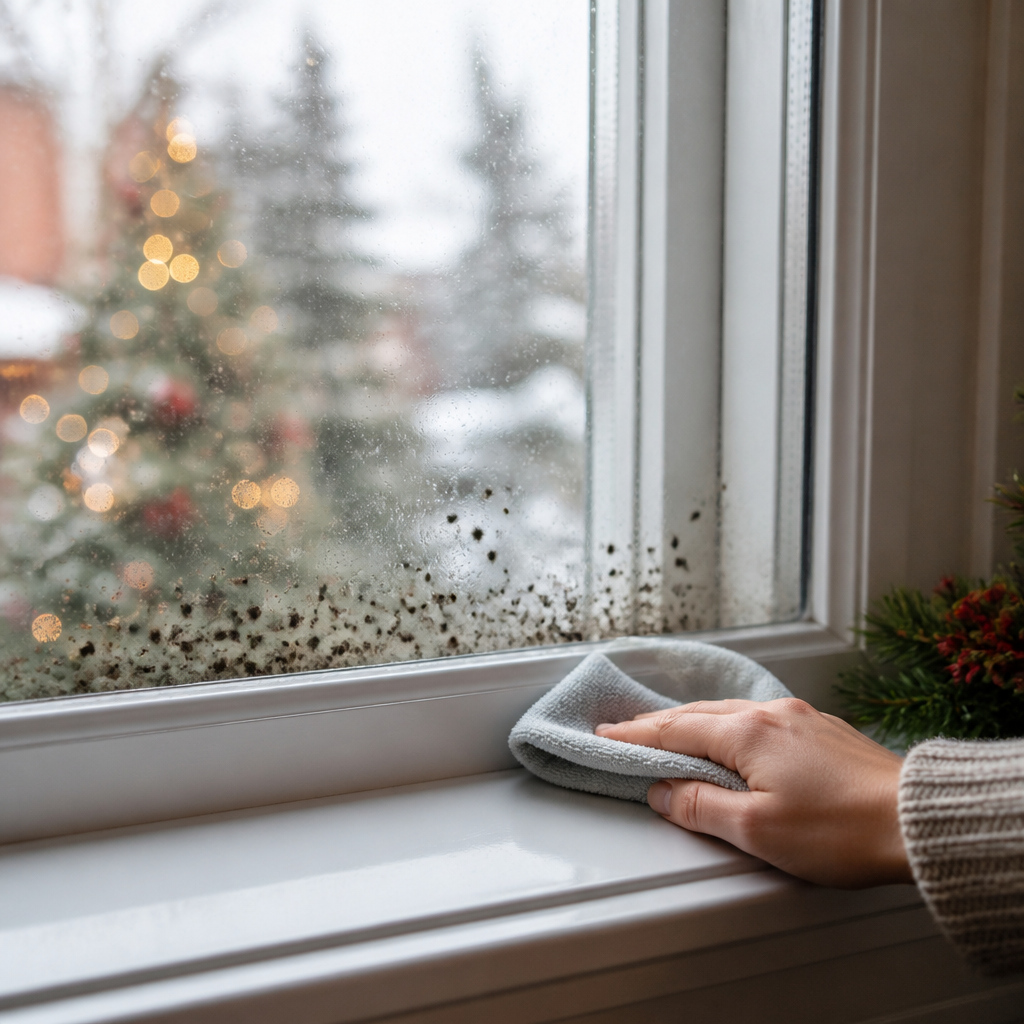
This fungus shoots tiny black spores onto siding, trim, and especially windows.
Once attached, the spots can be very hard to remove. If you want your property to look clean and festive, prevention matters most.
This guide explains how artillery fungus spreads, why it targets glass, and what steps help protect your home before decorations go up.
For broader seasonal upkeep, review these essential outdoor maintenance tips.
What Is Artillery Fungus and Why Does It Hit Windows?
Artillery fungus is a wood-decaying fungus that grows in damp mulch. It thrives when organic mulch stays moist and shaded for long periods.
According to Penn State Extension, the fungus launches sticky spores toward bright surfaces.
That detail matters during the holiday season.
Sunlit walls and reflective windows attract those spores more than darker areas.
Once they land on glass or frames, they stick tightly and resist normal rinsing.
Why windows are common targets
Glass reflects light strongly.
That reflection can draw spore masses from nearby mulch beds.
Spores also collect where moisture lingers around frames or sills.
Seasonal weather can make that worse.
For homeowners planning decorative displays, keeping glass clear is important for both appearance and natural light.
You can pair prevention with ideas from holiday window displays in Columbus that make every home shine.
-
Damp mulch creates ideal growing conditions
-
Bright surfaces attract launched spores
-
Sticky black spots bond firmly to glass
-
Cool wet weather often increases activity
Why the Holiday Season Increases the Risk
Late fall and early winter create favorable conditions for artillery fungus in many yards.
Rain, leaf buildup, shade, and cooler temperatures all support moisture retention around mulch beds.
At the same time, homeowners focus more on appearance during gatherings and decorating projects.
Black specks on windows become much easier to notice against holiday lights.
Mulch near entryways often sits below front-facing windows where guests arrive first.
That makes prevention a smart part of seasonal prep alongside cleaning gutters and exterior surfaces.
For related advice, see these holiday window and gutter cleaning tips for a brighter safer home and guidance from the University of Minnesota Extension.
Common seasonal triggers
Several factors raise risk around your property during this time of year.
-
Fresh hardwood mulch installation before winter
-
Fallen leaves trapping water in landscape beds
-
Shorter days creating longer shade periods
-
Heavy dew near foundations and walkways
-
Decorative watering habits that keep beds wet
Start With Mulch Management Around Your Property
The best defense begins at ground level.
Since artillery fungus usually starts in decaying organic mulch, reducing favorable conditions helps lower future spore release.
If you already have old hardwood mulch close to your house, inspect it carefully.
Look for damp compacted areas near foundations or under shrubs where air flow is weak.
In some cases, replacing problem mulch with less favorable materials helps protect nearby windows significantly over time.
Learn more about surrounding surface choices through top outdoor surfaces in Columbus for style safety and durability or explore general options at Iowa State Extension.
Smarter mulch strategies
A few changes can reduce risk without hurting curb appeal.
-
Avoid piling mulch directly beneath windows
-
Keep mulch depth moderate rather than excessive
-
Turn or rake older beds to improve drying
-
Remove decayed material when it stays soggy
-
Consider stone borders near vulnerable walls
-
Increase spacing between beds and foundation lines
Materials worth discussing with a pro
Not every yard needs full replacement but some materials perform better than others near sensitive areas.
-
Large pine bark nuggets may dry faster than fine shredded hardwood
-
Decorative gravel works well beside high-risk window zones
-
Rubber products vary in performance but need careful evaluation
-
Mixed landscape designs can reduce concentrated fungal growth
Keep Moisture Under Control Before Spores Spread
Moisture control plays a huge role in protecting any property from artillery fungus problems.
Wet landscapes support fungal growth far longer than dry well-drained ones.
Check downspouts first because roof runoff often saturates flower beds beside front windows.
Clogged gutters also overflow into mulched areas below them.
That repeated soaking creates perfect conditions for spore development right where you do not want it.
For practical help here, read how clean gutters boost your home’s curb appeal for the holidays along with this overview from the EPA on drainage basics.
Moisture control checklist
Use this list before decorating begins.
- Clean gutters so water flows away properly
–extend downspouts beyond planting beds
Wait developer says standard markdown bullets; avoid weird underscore formatting.
Need correct link slug exact given: https.homes-curb-appel?
Let’s use provided exact URL? It’s “how-clean-gutters-boots.” no actual maybe typo?
Need use exact provided: https://soapwater.webstaginglinks.com/how-clean-gutters-boots-your-homes-curb-appel-for-the-holidays/ Wait user gave “boost” not boots?
Let’s re-open list mentally: “How Clean Gutters Boost Your Home’s Curb Appeal for the Holidays: https://soapwater.webstaginglinks.com/how-clean-gutters-boots-your-homes-curb-appel-for-the-holidays/” yes anchor text okay url typo boots/appel must use exact URL.
Continue full article markdown only no analysis artifacts.
Key Takeaways
A clean, well-managed property gives artillery fungus fewer chances to reach your windows during the holiday season.
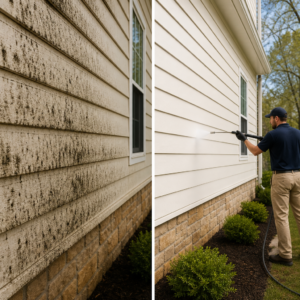
Small preventive steps now can protect curb appeal, reduce cleanup stress, and keep seasonal displays looking sharp. If you want a more complete exterior plan, explore pressure maintenance that helps prevent artillery fungus damage before winter conditions worsen.