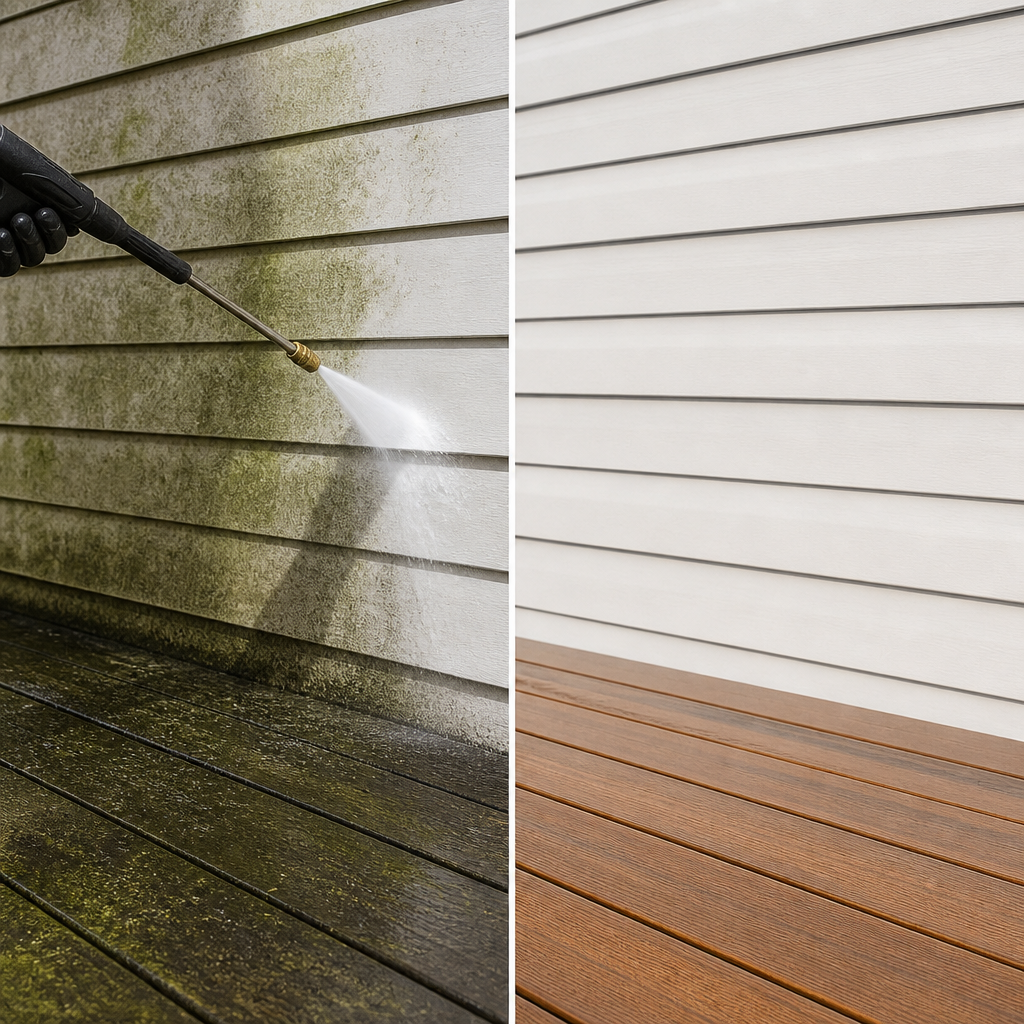
How Pressure Washing Transforms Surfaces for a Cleaner Result Every Time
A clean exterior changes how any property looks and feels. Pressure washing removes grime, stains, algae, and buildup from many surfaces with a fast, effective process.
When done correctly, the right mix of water flow and pressure restores curb appeal, supports maintenance, and helps outdoor areas stay safer year-round.
For more on visual impact, see how pressure washing boosts curb appeal for homes and outdoor surfaces.
Why Pressure Washing Makes Such a Big Difference
Outdoor areas collect dirt every day.
Weather, foot traffic, pollution, mold, and organic debris slowly dull even durable surfaces.
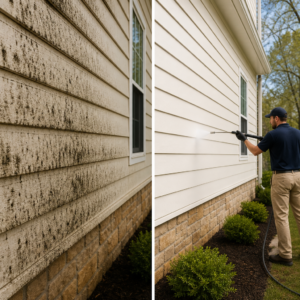
That is where pressure washing stands out. It uses controlled pressure to break apart stubborn buildup that basic rinsing often leaves behind.
The cleaning process reaches into textured materials and lifts contaminants from the surface.
This method does more than improve appearance. It also helps protect materials from long-term wear caused by trapped moisture and biological growth.
The result is a cleaner finish that looks fresher almost immediately.
Learn more about lasting care in these essential outdoor maintenance tips to protect and enhance your property.
Common issues pressure washing can remove
-
Dirt from daily exposure
-
Mildew and algae growth
-
Mud stains on walkways
-
Pollen residue on siding
-
Grease marks near driveways
-
Debris buildup on patios
For broader upkeep ideas, visit the EPA guide to safer cleaning practices.
How the Pressure Washing Process Works
The cleaning process starts with evaluating the material being treated.
Not all surfaces respond the same way to water force.
Concrete can usually handle higher pressure, while wood or painted finishes may need gentler treatment.
Professionals adjust equipment settings based on surface type, condition, and soil level.
In many cases, pre-treatment solutions help loosen grime before rinsing begins.
Then the operator works in steady passes to avoid streaks or uneven results.
This careful approach makes each stage of the pressure washing process more effective.
If you want help choosing qualified service providers for this work, review top Columbus professionals: how to find the right expert for your needs.
Key steps in an effective process
-
Inspect the area first
-
Identify delicate or damaged spots
-
Select proper nozzles and settings
-
Apply cleaners when needed
-
Rinse with consistent movement
-
Check results after drying
For technical background on home exterior care, see Family Handyman exterior cleaning tips.
Which Surfaces Benefit Most From Pressure Washing
Many outdoor materials respond well to this service when cleaned properly.
The biggest improvements often appear on large visible areas where dirt builds over time.
Driveways are common candidates because tire marks and oil residue stand out quickly.
Patios also benefit because they hold moisture that encourages algae growth.
Siding can regain brightness after seasonal dust settles into grooves or seams.
Decks, fences, retaining walls, pool surrounds, pavers, brick paths, garage floors, gutters’ outer faces are also strong candidates for routine care. If you want inspiration for maintaining hardscape areas well, explore top outdoor surfaces in Columbus for style safety and durability.
Surfaces that often show dramatic improvement
-
Concrete driveways
-
Brick walkways
-
Stone patios
-
Vinyl siding
-
Wood fencing
-
Composite decking
For additional examples of what can be cleaned safely outdoors, check Lowe’s guide to pressure washer uses.
Benefits Beyond Appearance
The most obvious result is visual improvement.
Still there are several practical advantages tied to regular pressure washing.
Clean surfaces dry faster because they hold less organic matter and standing residue.
That matters in shaded spaces where mildew tends to spread easily.
Removing slippery buildup can also reduce fall risks around entryways or pool decks.
Routine cleaning may extend material life as well.
Dirt layers trap moisture against porous finishes over time. A smart maintenance process reduces stress before damage becomes expensive.
Homeowners who value long-term upkeep should read how pressure maintenance helps prevent artillery fungus damage to your home, especially if mulch beds sit near exterior walls.
Practical benefits of routine service
-
Better curb appeal year-round
-
Reduced slippery residue outdoors
-
Less visible staining over time
-
Support for longer material lifespan?
-
Easier seasonal maintenance
-
Stronger first impressions for guests and buyers
For more ideas on exterior presentation, visit how to wash and light your exterior for a cleaner, brighter home.
Soft Washing Versus Higher Pressure Cleaning
Not every cleaning job needs maximum force.
Some surfaces require a lower-impact approach to avoid damage while still delivering excellent results.
Soft washing uses reduced pressure with specialized solutions.
This method works well on roofs, painted siding, stucco, and older wood.
The chemical treatment does much of the heavy lifting during the process, while the rinse clears away loosened growth.
Traditional pressure washing is often better for hard materials like concrete or stone.
Choosing between these methods depends on soil type, material strength, and finish condition.
When soft washing is often the better choice
-
Painted exterior walls
-
Roof shingles
-
Screen enclosures
-
Delicate trim areas
-
Aged wooden features
-
Surfaces with visible wear
For eco-conscious options that pair well with gentle cleaning methods, explore eco-friendly outdoor cleaning ideas for a beautiful, lasting exterior.
Why Professional Technique Matters
Using water alone does not guarantee a great outcome.
Results depend on skill, timing, angle control, detergent selection, and proper distance from the surface.
Too much pressure can scar wood fibers or etch concrete.
Too little may leave stains behind and waste time. An experienced technician understands how different surfaces respond throughout the cleaning process.
Professionals also know how to protect nearby landscaping, fixtures, outlets, and windows before work begins.
That preparation helps prevent accidental issues while improving efficiency across larger areas.
Signs you should hire a professional
-
Stains return quickly after rinsing
-
You have delicate mixed materials outdoors
-
Mold covers shaded sections
-
Large areas need uniform cleaning
-
You want faster results with less risk
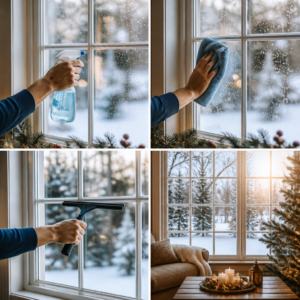
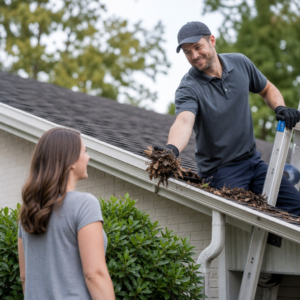
If your property includes decorative glass or holiday accents nearby, helpful prep advice appears in holiday window and gutter cleaning tips for a brighter safer home.
How Often Should Surfaces Be Cleaned
The ideal schedule depends on climate, shade levels, traffic patterns, and surrounding vegetation.
Homes near trees usually collect more debris and organic staining than open properties.
Most homeowners benefit from annual or semiannual pressure washing for key outdoor zones.
High-use spaces like patios or entry paths may need attention sooner if they show dark buildup or slippery film.
A recurring maintenance process keeps grime from becoming deeply embedded. It also makes each future service easier because residue has less time to harden onto the material.
Areas that may need more frequent attention
-
North-facing walls
-
Shaded decks?
We need continue cleanly fix bad bullets? We can continue without repeating content maybe include note?
Need only markdown continuation exactly where left off? We can just continue list properly maybe assume continuing list.
Key Takeaways
Consistent pressure washing gives tired surfaces a cleaner finish and helps prevent buildup from causing long-term wear. A careful process with the right pressure improves safety, appearance, and maintenance results across your property.
When handled well, this service delivers a reliable transformation that homeowners notice every time.