How Professionals Protect Your Property from Artillery Fungus Damage
Artillery fungus is a stubborn nuisance for homeowners. It can stain siding, windows, trim, and other exterior surfaces across your property.
These tiny black spots often appear after mulch beds become active growing zones. A professional approach helps stop spread, remove stains safely, and protect finishes before damage becomes harder to reverse. If you already see specks on glass or siding, this guide explains how experts handle artillery fungus on windows professionally and why early action matters.
What Is Artillery Fungus and Why Does It Threaten Your Property
Artillery fungus is a wood-decaying fungus that thrives in moist organic mulch. It launches sticky spores toward light-colored surfaces, which makes homes common targets.
Once attached, the spots can cling tightly to paint, vinyl, glass, and trim.
According to Penn State Extension, spores can travel surprising distances from mulch beds.
That means even well-kept landscaping can put your property at risk when conditions are right.
Why it spreads so easily
The fungus favors cool, damp environments with decomposing wood matter.
Many decorative mulches create ideal breeding conditions during wet seasons.
Common risk factors include:
-
Fresh hardwood mulch near the house
-
Shady flower beds with poor airflow
-
Frequent irrigation or drainage issues
-
Light-colored siding and window frames
-
Delayed cleanup after spore release
A trained professional looks beyond visible spotting.
They inspect moisture sources, bed placement, and surrounding materials to limit future outbreaks.
Early Signs Professionals Look For
Many homeowners mistake artillery fungus for dirt or tar splatter at first glance.
The problem usually becomes obvious only after spores harden on surfaces.
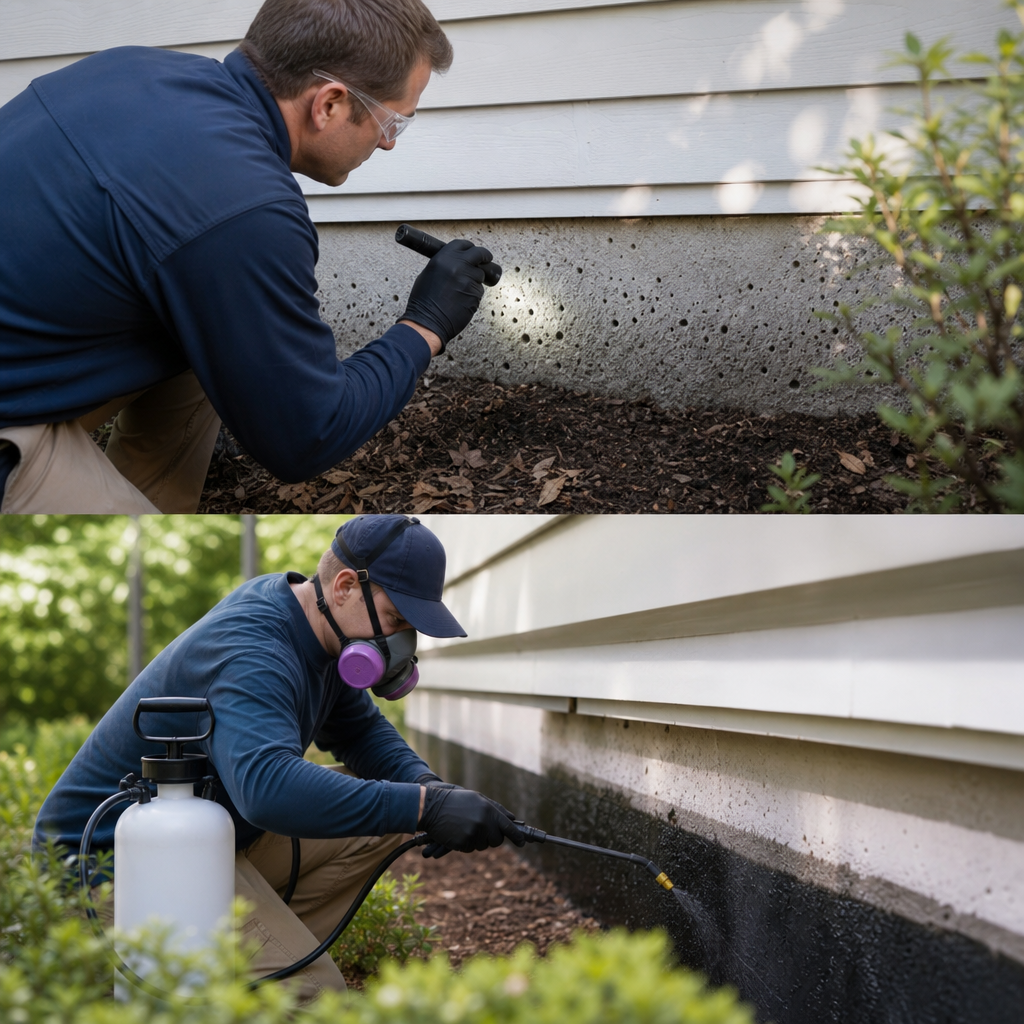
Experts use close visual inspection and surface testing to confirm the issue.
This prevents accidental damage from harsh scraping or wrong cleaners.
For example, proper diagnosis matters before attempting effective artillery fungus removal from windows.
Common warning signs
You may notice small dark dots clustered on sun-facing areas of your property.
These spots often appear around lower walls but can reach much higher points too.
Professionals check for:
-
Pepper-like black specks on siding
-
Sticky spots on window glass
-
Marks around downspouts or trim lines
-
Repeated staining near mulch beds
-
Surface dulling from past removal attempts
The University of Minnesota Extension notes that spores adhere strongly once discharged.
Fast identification improves cleaning success.
How Professional Inspection Prevents Bigger Problems
A full inspection does more than confirm artillery fungus presence. It reveals why the outbreak started and what areas face the highest risk next.
A professional often evaluates landscape design alongside exterior materials.
This broader view helps protect your property instead of treating only symptoms.
What an inspection usually includes
Reputable service providers document affected zones carefully before cleaning begins.
That protects delicate finishes during treatment planning.
They may assess:
-
Type and age of mulch used near structures
-
Distance between planting beds and walls
-
Existing stains on windows, siding, gutters, and trim
-
Paint condition or oxidation levels
-
Moisture retention around foundations
If spores have reached several exterior surfaces, related services may help restore appearance as part of a larger plan.
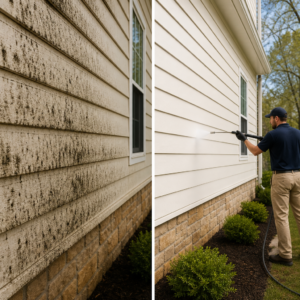
Homeowners often pair remediation with professional house siding washing services when residue affects curb appeal across broad wall sections.
For general maintenance guidance about protecting exteriors from buildup, review tips from the EPA home maintenance resources.
Safe Removal Methods Professionals Use
Removing artillery fungus requires patience and material-specific methods.
Aggressive scrubbing can scratch glass or strip protective coatings from painted surfaces.
That is why a professional starts with the least invasive option first.
They match tools and cleaners to each surface type across your property.
Typical professional cleaning steps
Specialists focus on loosening spores without harming finishes underneath. In many cases they combine hand-detailing with controlled washing techniques.
Their process may include:
-
Testing products in hidden areas first
-
Softening residue with approved cleaners
-
Gently lifting spots using non-marring tools
-
Rinsing without forcing water behind panels
-,Spot-checking remaining marks under bright light
For broader exterior care after spot removal, some owners also explore why professional pressure washing is essential for your home.
Pressure settings must stay appropriate because too much force can worsen damage rather than solve it.
You can also compare safe cleaning principles through This Old House exterior care advice.
Why DIY Removal Often Makes Damage Worse
Do-it-yourself efforts seem tempting because the spots look small at first glance.
Yet artillery fungus resists many household cleaners and quick fixes fail often.
Homeowners sometimes scrape too hard or apply solvents unsuited for vinyl or painted trim.
That creates new problems while leaving fungal residue behind on your property.
Common DIY mistakes
Without training, it is easy to trade one issue for another:
-
Using razor blades incorrectly on glass
-
Applying bleach that discolors nearby materials
-,Overwashing siding seams with high pressure water flow alone.
We need fix malformed bullets due typo rule? ensure markdown valid no commas weird punctuation maybe continue properly.
Key Takeaways
Lasting protection for your property starts with fast action and expert care. A qualified professional can stop artillery fungus from spreading, clean affected surfaces safely, and help prevent repeat outbreaks through smarter maintenance choices.
For homeowners who want durable results, trusted service and guidance from professional exterior cleaning specialists make a clear difference.